Lower receivables do not always mean more cash
1 min read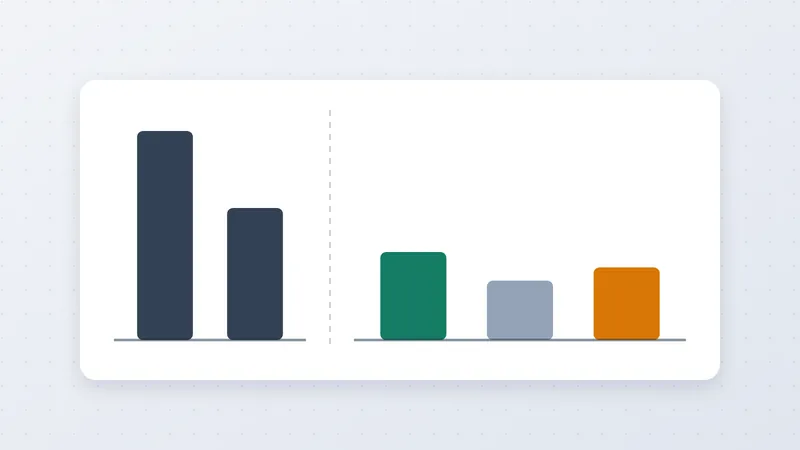
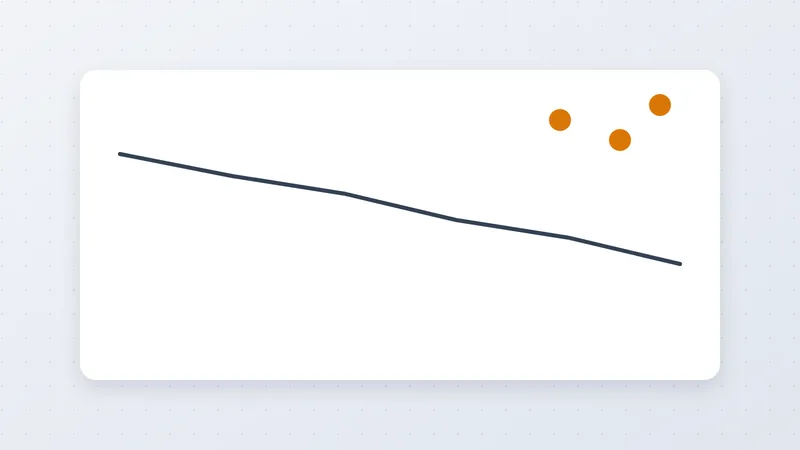
A receivables dashboard shows a $15,000 reduction. Management celebrates faster collection. But the reduction includes $6,000 of customer payments, $4,000 of credits and $5,000 of write-offs. Only the first component represents cash received in this simplified example.
The Federal Reserve Banks' payments research focuses attention on customer payments as a source of business cash.[1] Keep that cash measure distinct from other movements in the receivables balance.
A useful monthly bridge starts with opening receivables, adds new invoices and appropriate adjustments, subtracts allocated receipts and approved credits or write-offs, and explains the closing balance. Display currency and timing effects separately where relevant. Reconcile the result to the ledger.
This protects the evaluation of both internal teams and service providers. A lower overdue total is useful information, but it is not a standalone collections result.
Use the month-end receivables review to support the bridge and the dashboard guidance to make the distinction visible. If a correction was necessary, report it honestly alongside the cash outcome instead of combining unlike results.
Sources
- Federal Reserve Banks. 2024 Report on Payments Findings from the 2023 Small Business Credit Survey (opens in a new tab). 5 December 2024. Federal Reserve research.↩