A month end receivables review that catches more than old invoices
3 min read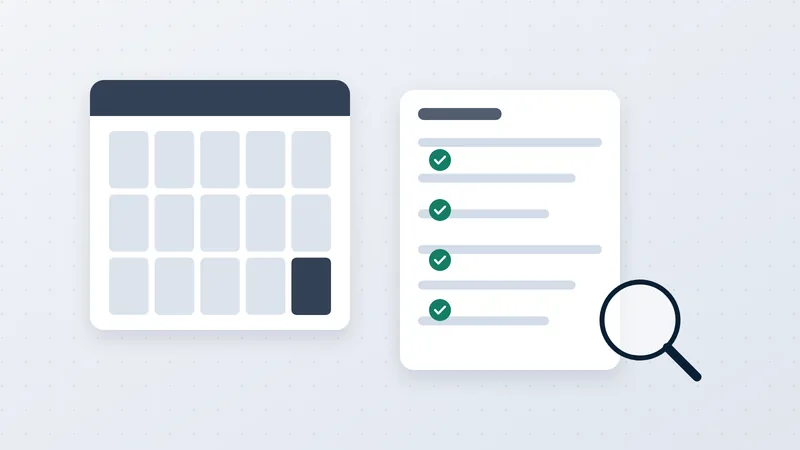
A month-end review that only highlights old invoices misses two important questions: did all eligible work enter the billing process, and do the balances agree with the underlying accounting records? A tidy aging report is not proof that the process is complete.
IFRS 15 links revenue recognition to satisfaction of performance obligations, not simply issuing an invoice or receiving cash.[1] Businesses applying US GAAP must use the relevant Topic 606 requirements and their own policies. The operational point is to keep billable work, invoiced receivables, recognized revenue and cash distinct rather than using one as a shortcut for another.
Begin with completeness and cut-off
Obtain the list of contractual billing events eligible by the reporting date. Compare it with invoices and documented holds. Review completed milestones, approved time, recurring charges and approved changes. Explain omissions instead of invoicing everything that appears on a project report.
In an illustrative engineering firm, a deliverable is complete on September 29 but requires customer acceptance before billing. If acceptance occurs October 3, the operational billing date and any revenue-recognition assessment may differ. Preserve both dates and have the accountant determine the treatment under the applicable policy. Backdating an invoice to make reports align is not a substitute for analysis.
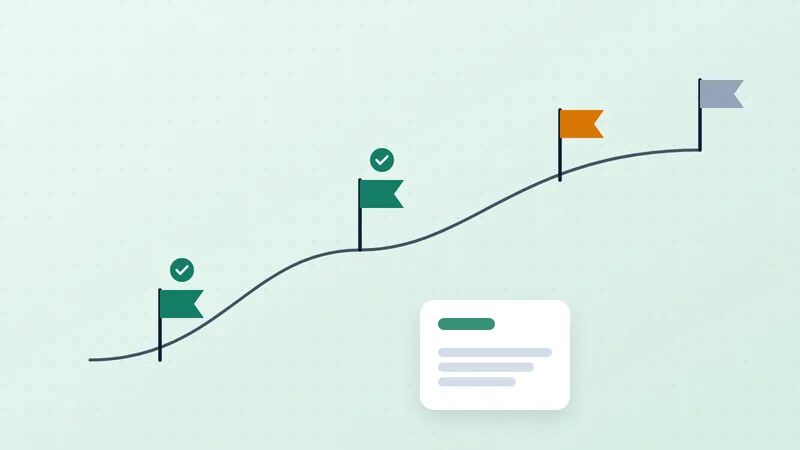
Use the milestone controls to keep eligibility evidence available throughout the month rather than reconstructing it during close.
Reconcile the receivables detail to the ledger
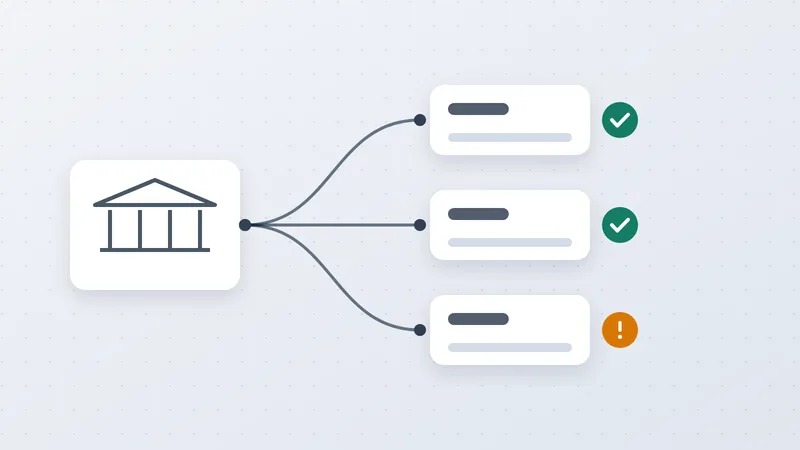
At the same cut-off and on a consistent basis, compare the receivables subledger with the relevant general ledger control accounts. Investigate manual journals, transactions posted to the wrong customer or entity, currency differences and timing mismatches. Document reconciling items, owners and expected resolution dates.
An illustrative $240,000 aging total and $237,000 control-account balance create a $3,000 difference that needs explanation. Do not make an unsupported adjustment merely to make the totals agree. The reconciliation should identify the actual transactions or policy differences responsible.
Review cash and corrections separately
Identify receipts not yet allocated, overpayments, refunds in progress and processor settlements not matched to bank activity. The cash application guide explains why a customer's gross payment may differ from the net bank deposit.
Review credits, write-offs and invoice replacements with their approval evidence. These transactions can reduce receivables without producing cash. Management needs to know whether a lower overdue total reflects collection, correction or removal of an amount no longer expected to be received.
Aging should inform the accountant's review of collectibility under the relevant policy, alongside disputes, customer circumstances and subsequent receipts. An automated age threshold should not silently authorize write-offs or replace the required accounting judgment.
Finish with an evidence-backed review
Retain the cut-off reports, reconciliation, list of unresolved exceptions and evidence that an accountable reviewer examined material items. For a small firm where staffing prevents full separation of duties, use a documented owner review of sensitive adjustments and unusual receipts.
Carry open actions into the next period with the same references so they do not disappear when a spreadsheet is replaced. Track repeat causes: late delivery approvals, customer setup errors and unresolved allocation issues are operating problems that close procedures alone will not cure.
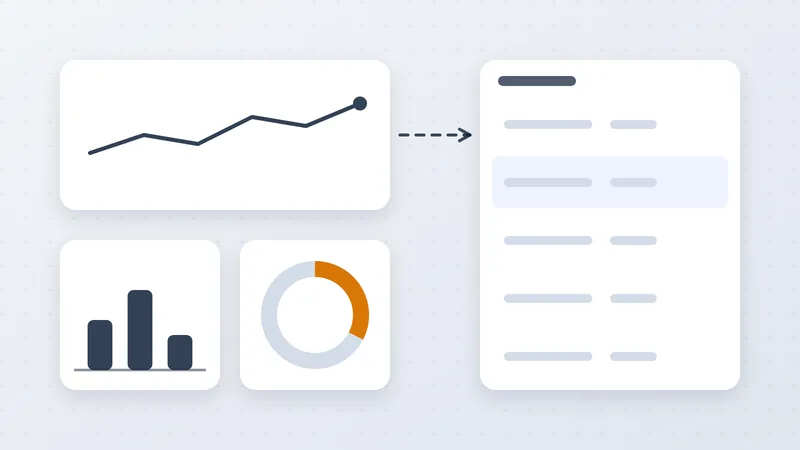
The dashboard should report progress using these reconciled definitions. A useful close provides both a defensible balance and a short list of process changes that will make the next month easier.
Sources
- IFRS Foundation. IFRS 15 Revenue from Contracts with Customers (opens in a new tab). Standard overview accessed 28 September 2026. Accounting standard overview.↩