Where AI can help receivables teams and where approval still matters
3 min read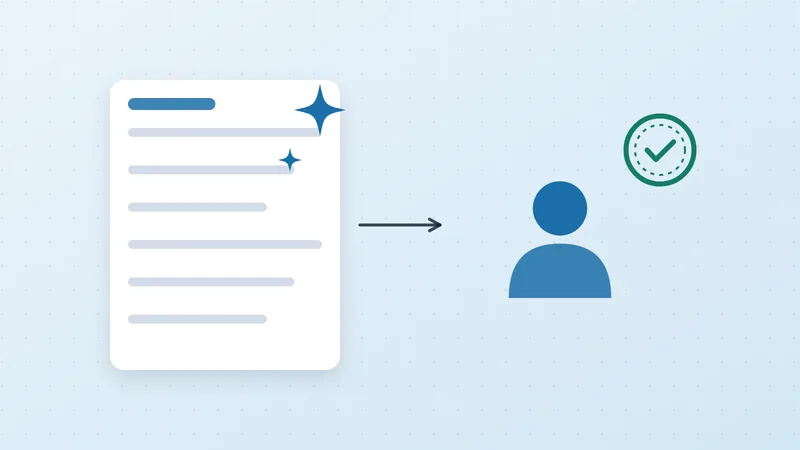
The most useful first AI application in receivables may be reading and organizing information. A staff member spends time opening messages, finding the relevant invoice and reconstructing the history. Reducing that preparation can help without immediately giving a model authority to change financial records.
Elite's law-firm research reports interest in automation and AI alongside manual billing-review work.[1] It does not establish a dependable return for every business or validate a specific AI product. A sound pilot should start with a narrow task and compare its output with human review.
Choose work with a verifiable answer
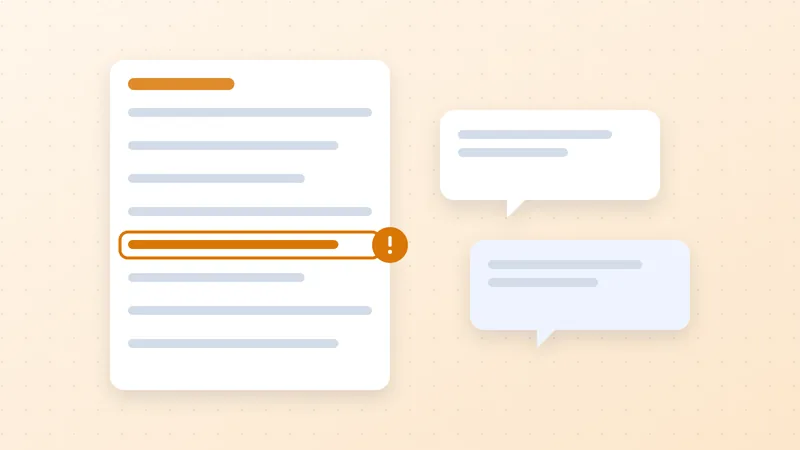
A practical starting task is to classify an incoming customer response as missing information, reported payment, dispute or another category. The system can suggest the invoice reference, summarize the issue and draft an internal task. A reviewer confirms the interpretation before any action affecting the customer or ledger.
Another candidate is assembling a case summary from an approved set of records: the current invoice, relevant proposal, delivery evidence and message history. Require links back to the evidence. A fluent paragraph without traceable support creates extra review work rather than saving it.
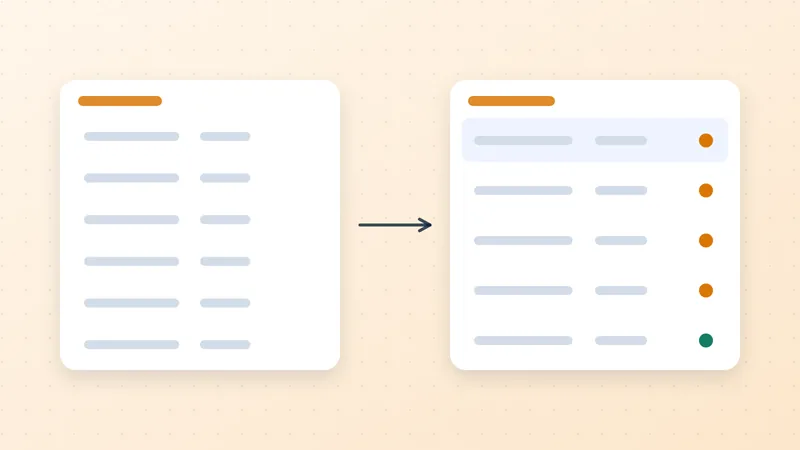
The receivables work queue provides a place for suggested actions, while the dispute process defines who has authority to make the commercial decision.
Keep financial authority explicit
Do not let a model independently invent a balance, approve a credit, change payment details or agree new commercial terms. Retrieve amounts from the authoritative system and validate them before using them in a customer-facing draft. A human should approve consequential changes under the business's existing authority rules.
FBI guidance calls for verification of changes to invoice and banking information.[2] An email that sounds plausible should not bypass that requirement because an AI tool summarized it as routine. Treat customer messages and attachments as untrusted inputs, including any instructions embedded in them.
These are recommended design boundaries for an AI pilot, not claims that a particular application already provides them. Verify access restrictions, data handling, retention and audit capability in the actual implementation.
Test the awkward messages
Build a redacted test set from real patterns, with sensitive information removed. Include a straightforward remittance, an ambiguous complaint, a message covering multiple invoices, an attachment that contradicts the email and a request to redirect payment. Add cases where the model should decline to classify confidently and ask for review.
Compare the proposed output with a reviewer's label and evidence. Measure wrong routing, unsupported statements, review time and significant issues missed. If 50 routine messages are classified correctly but one banking-change request is mishandled, the average accuracy figure conceals the important failure.
Run a limited pilot with a fallback
Begin in suggestion-only mode. Record the initial recommendation, reviewer correction and time taken. Exclude sensitive fields the task does not need. Allow staff to bypass the tool and preserve the original record so the workflow does not depend on a generated summary.
Only expand after the results show useful time savings and acceptable error handling for the chosen task. Do not count draft generation as resolution: a customer issue is resolved only when the underlying action and evidence support that status.
Use the business-case method to compare saved review effort with configuration, licensing and supervision costs. AI earns its place when it helps staff make accurate decisions faster and leaves a clear trail back to the facts.
Sources
- Elite. CFO Survey Top Law Firms Hit by Late Payment Issues (opens in a new tab). 30 September 2025. Vendor research.↩
- FBI Internet Crime Complaint Center. Business Email Compromise Contributes To Large Scale Business Losses Nationwide (opens in a new tab). 11 June 2018. Government advisory.↩