Resolve invoice disputes without losing control of the balance
3 min read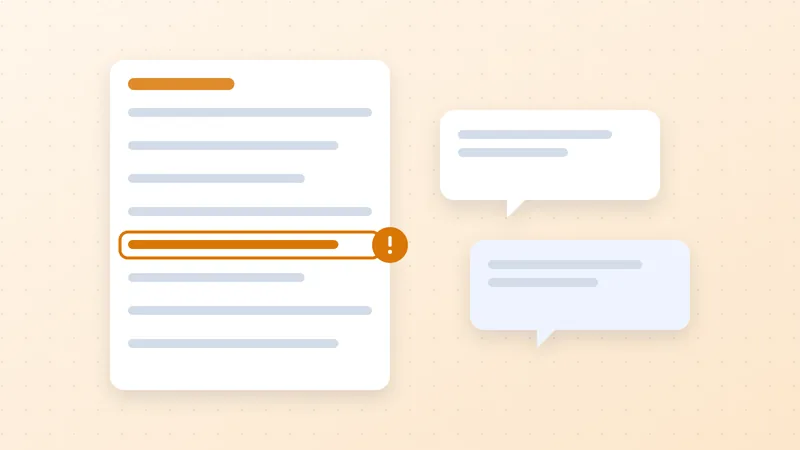
A customer saying "this invoice is wrong" changes the work required. The business now needs to identify the disputed item, compare it with the agreement and decide the appropriate correction or response. Continuing a generic reminder sequence does not resolve that question.
The UK government's March 2026 late-payment announcement includes stronger proposed dispute-handling powers among its reforms.[1] It demonstrates policy attention to the problem, not a rule for US businesses or a substitute for contract-specific advice. Within your own operation, the first useful control is a documented route for resolving disagreements.
Capture the disputed amount precisely
Record the invoice, affected lines, amount disputed, customer's explanation, date raised and relevant evidence. Keep the rest of the outstanding balance separately visible. A complaint about one expense should not silently convert the entire customer account into an indefinite hold.
Distinguish a true disagreement from a submission issue. A missing attachment may require resubmission, while a claim that work was outside scope requires commercial review. The invoice readiness checklist can prevent some administrative rejections from becoming prolonged disputes.
Assign the decision to the right role
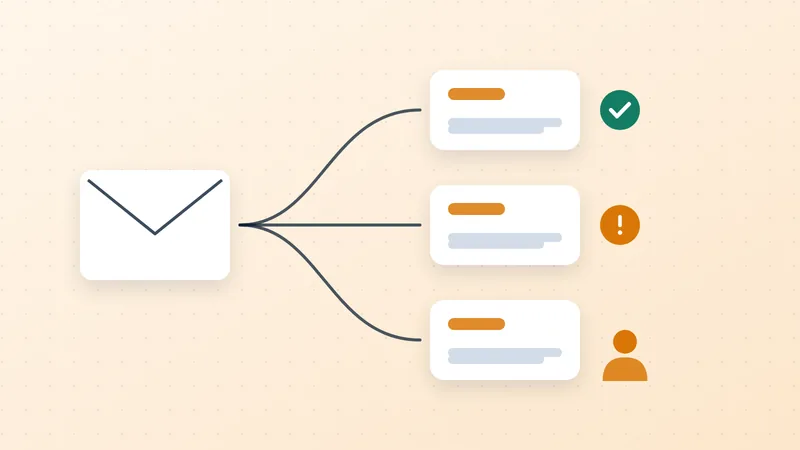
Finance can verify calculations, previous payments and duplicate billing. Delivery can supply evidence of work and acceptance. The commercial owner can interpret the agreed scope and approve a concession within delegated authority. Someone must own the case end to end, even if several people provide evidence.
Set internal response and review targets that your team can meet. For example, a firm might acknowledge the case within one business day and require an initial evidence review within three. These are suggested service rules, not external benchmarks or guaranteed resolution times. Difficult cases need a new, explained review date rather than an automatic closed status.
Use an evidence pack before negotiating
For an illustrative $10,000 consulting invoice, the customer disputes $2,000 for additional workshops. Assemble the original scope, the change approval, attendance or delivery evidence and the invoice calculation. If approval is missing, acknowledge the evidentiary gap internally before deciding the commercial response.
Where appropriate under the agreement, request payment of the undisputed $8,000 while the remaining amount is reviewed. Do not assume the customer is legally required to split payment in every situation. Keep the discussion specific and avoid changing records merely to make the aging report look better.
If the result is a credit, use the approved credit workflow and retain its reason and authorization. If the invoice remains valid, record the basis for that decision and the customer communication. If a replacement is required, preserve the relationship between the old and new records so the customer cannot be pursued for both.
Pause the right messages and retain the right history
Suppress routine reminders for the affected amount according to policy, but keep the case in the receivables work queue. A hold needs an owner, reason and review date. When resolved, recalculate the outstanding balance before restarting any follow-up.
Track dispute age, time to first substantive response, value resolved by correction versus payment, and repeat causes. Do not label every credit a successful collection outcome: a credit reduces receivables without bringing in cash.
Finally, feed the finding upstream. If the same scope language repeatedly causes disagreement, improve the proposal. If delivery evidence is missing, improve the milestone handoff. Resolving the current case protects today's balance; removing the recurring cause protects the next engagement.
Sources
- UK Department for Business and Trade. Time to Pay Up Government unveils toughest crackdown on late payments in over 25 years (opens in a new tab). 24 March 2026. Government policy announcement.↩