Turn an aging report into a daily receivables work queue
3 min read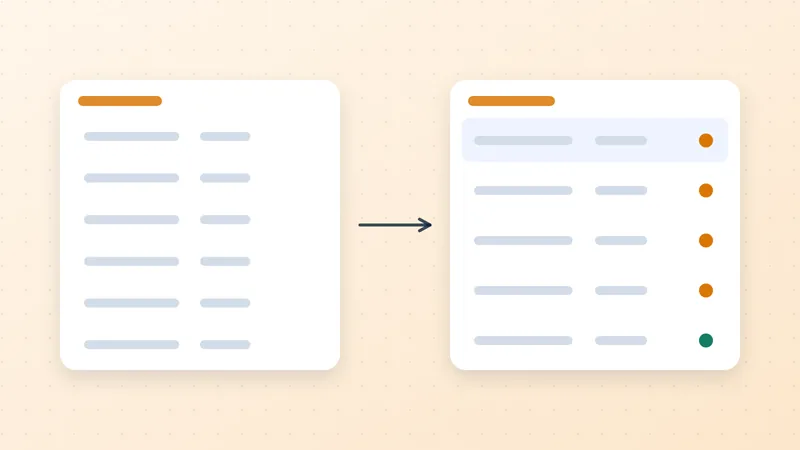
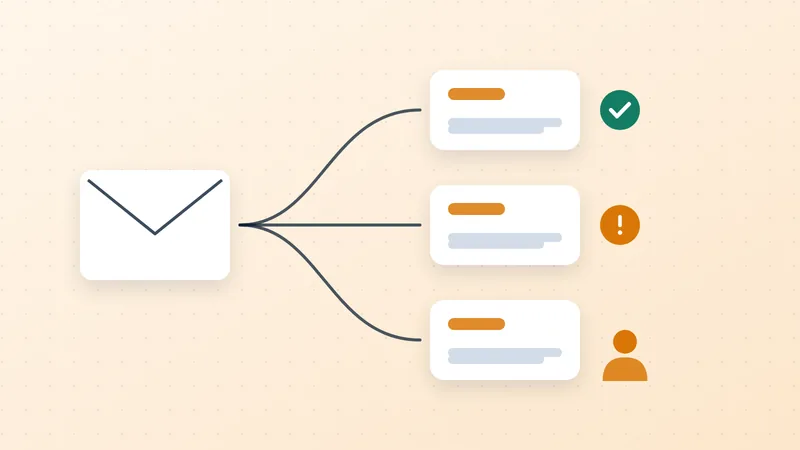
An aging report answers how long balances have been outstanding. It does not necessarily answer what someone should do today. A list of old invoices becomes operational only when each material exception has a reason, an owner and a next action.
The EU Payment Observatory's 2025 report describes the administrative burden of pursuing late payments.[1] That European evidence does not quantify the workload in your firm, but it reinforces a useful design objective: reduce the effort spent rediscovering the same information each time an invoice is reviewed.
Start with a small set of useful fields
For each case, retain customer, legal entity, invoice reference, open amount, days overdue, reason for delay, last verified status, owner, next action and next review date. Link the supporting conversation or document. Where several invoices share one blocker, group the action at customer level while preserving invoice-level balances.
Keep the reason list short enough to use consistently. Missing purchase order, missing acceptance, disputed charge, payment allocation, no response and financial difficulty are a reasonable starting set. Leave room for an unknown reason, but treat unknown as something to investigate rather than a permanent classification.
The follow-up design explains how the reason should change the communication. The queue makes sure that someone performs the corresponding work.
Prioritize by actionability as well as value
A large old balance deserves attention, but an easily resolved approval problem may also merit immediate action. Use a daily review order that considers amount at risk, age, impending deadlines and whether the team can remove the blocker now. Avoid a complicated numerical score until the basic data is reliable.
For an illustrative staffing firm, one $18,000 balance is waiting for a corrected timesheet; another $25,000 balance is a substantive rate dispute. The first action is to obtain and resubmit the timesheet. The second is to assemble the agreement and route it to the commercial decision maker. Sending both customers the same reminder does not advance either case reliably.
An owner should be a named person or a genuinely monitored team queue. A department name without an accountable reviewer often means no one is responsible. Define a backup for absence and a visible route for overdue internal tasks.
Set a review rhythm that changes the record
At the daily review, confirm which actions are due, which have become blocked and which cases need escalation. At the weekly review, inspect repeated causes and exceptions with no progress. Record the result of each meaningful action, not every incidental click or copied email.
Closing a task is not the same as closing the receivable. A document may have been sent while the invoice remains unpaid. Retain the financial status separately from the task status so a completed internal action cannot accidentally remove an outstanding balance from attention.
Prevent the queue from becoming another spreadsheet to reconcile
Choose where the balance is authoritative and how often it refreshes. Display that timestamp. Let the queue hold operational context, while changes to financial amounts follow the accounting system's approved process. If it cannot refresh automatically, assign a controlled manual update and reconcile totals.
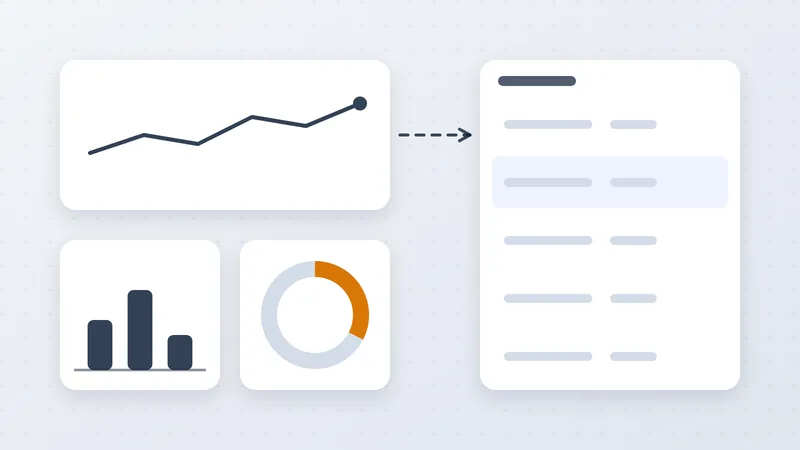
Measure unassigned cases, actions past review date and the age of unresolved blockers. Use the dashboard definitions to keep those numbers consistent. A useful work queue is successful when a colleague can pick up a case without rebuilding its history and can explain the next step in one sentence.
Sources
- CEPS for the EU Payment Observatory. EU Payment Observatory Annual Report 2025 (opens in a new tab). 16 December 2025. Research publication.↩