Why payment received is not the end of the process
3 min read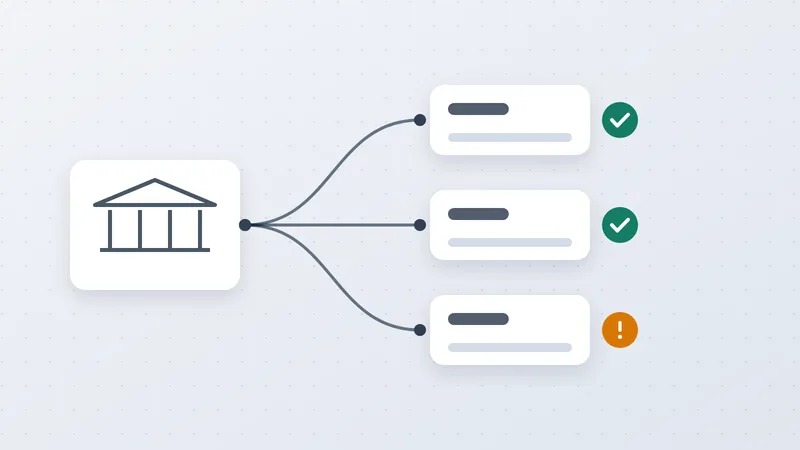
Money can arrive without the business knowing exactly which invoice it settles. One customer pays three invoices together. Another deducts a disputed amount. A processor deposits a net amount after fees. If the receipt is not allocated correctly, finance may keep chasing a paid invoice while a dashboard overstates the outstanding balance.
The Federal Reserve Banks distinguish payment collection from settlement and availability challenges, especially for firms paid through third parties.[1] In operational terms, treat customer payment, invoice allocation, processor settlement and bank reconciliation as related but separate steps.
Match the receipt to the obligation
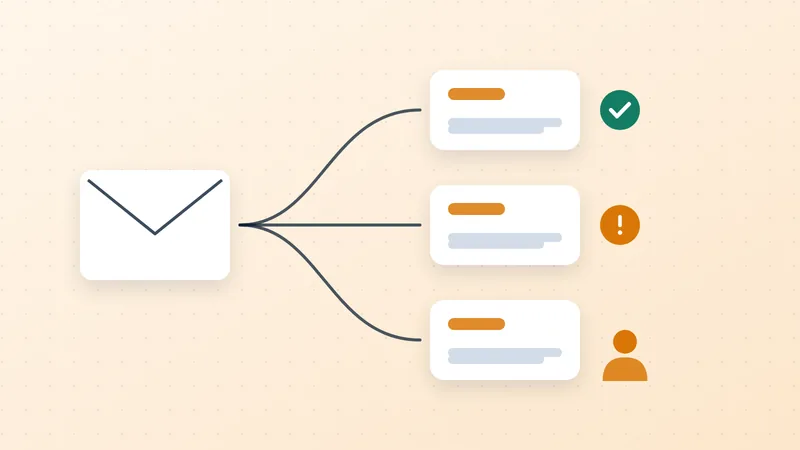
Capture the payer, amount, date, currency, entity, payment reference and any remittance advice. Match against open invoices using reliable identifiers. Customer name alone is weak evidence when a group has several entities or a payer uses a trading name.
For an illustrative $9,000 bank transfer covering three $3,000 invoices, retain one receipt with allocations to the three invoices. Do not create three separate bank receipts totaling $27,000. If the customer provides no remittance, use the evidence available to investigate; do not apply it to the oldest invoice solely to reduce aging without an approved policy and adequate support.
A partial receipt must leave the residual balance visible. An overpayment needs an approved treatment as credit, refund or another appropriate accounting entry. Never quietly change the original invoice to force a match.
Explain the difference between gross payment and net deposit
In a simplified illustration, a customer pays $1,000 and a processor retains a $30 fee, depositing $970. The customer may have fully paid the invoice even though the bank deposit is smaller. The accounting records need to explain the gross receipt, the fee and the resulting deposit rather than show the customer as still owing $30.
Actual settlement files can include several payments, refunds, fees, disputes and timing differences. Reconcile the processor's activity to its payout, then the payout to the bank. Use an approved clearing-account design where appropriate. The exact entries depend on your accounting setup and should be reviewed by the responsible accountant.
Keep unsettled and reversed payments visible
Do not equate a customer starting a payment with final receipt of funds. Define which statuses pause reminders, which reduce the invoice balance and which require investigation. A return, refund or chargeback needs a controlled update to the financial record and communication status.
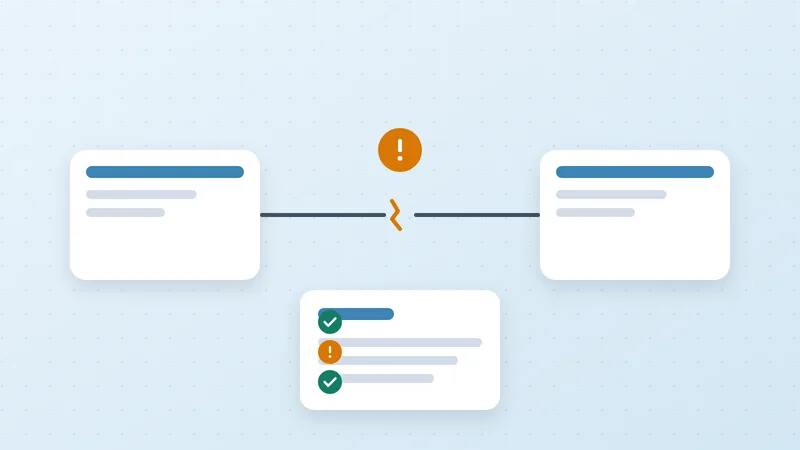
Stripe documents that integration events may arrive more than once or out of order.[2] A notification is therefore not, by itself, a reliable reconciliation process. The integration tests should verify how the system handles repeated and delayed information.
Build a small exception queue
Review unidentified receipts, allocations that exceed an open balance, processor-to-bank differences and payments sitting in an intermediate status longer than expected. Give each exception an owner and a next review date. Separate a known settlement timing difference from an unexplained discrepancy.
The month-end receivables review provides the closing controls, while the follow-up rules show why the same information matters during the month. When the balance and payment status are dependable, staff can contact customers with confidence and management can see how much receivable has actually become cash.
Sources
- Federal Reserve Banks. 2024 Report on Payments Findings from the 2023 Small Business Credit Survey (opens in a new tab). 5 December 2024. Federal Reserve research.↩
- Stripe. Receive Stripe events in your webhook endpoint (opens in a new tab). Living documentation accessed 28 September 2026. Technical documentation.↩