When QuickBooks is enough and when the surrounding process needs work
3 min read
If the only problem is that nobody turned on invoice reminders, fix that setting before buying another platform. Intuit documents automatic reminders in QuickBooks Online and progress invoicing from estimates. Those are existing capabilities, not reasons by themselves to purchase a separate service.[1][2]
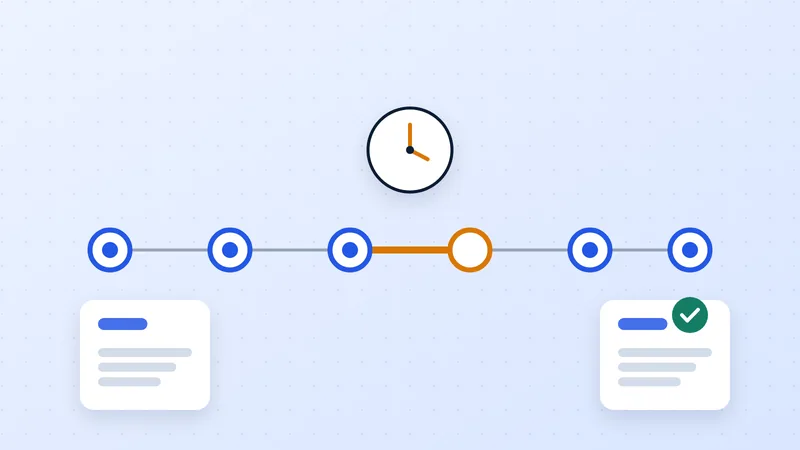
A more useful buying question is whether your business can reliably move from an agreed piece of work to an accepted invoice and a matched payment. Software may support each transaction while the business still relies on someone remembering the handoffs.
Diagnose the work that sits outside the ledger
Walk through ten recent invoices, including some that paid on time. For each, ask who decided it was ready to bill, where that decision was recorded, whether the customer required a purchase order, who handled rejection, and how the final receipt was matched. Record the manual effort and each preventable wait.
An illustrative engineering firm might create every invoice in QuickBooks correctly but bill late because project managers send milestone approvals only at month-end. Another firm might bill promptly but repeatedly submit to the wrong customer entity. A third might already run a clean process and simply have one customer experiencing financial distress. These businesses do not need the same intervention.
The proposal-to-cash process review separates the stages so the discussion does not collapse into a list of software features. It also prevents a service provider from claiming responsibility for delays that the supplier cannot control.
Decide what to configure and what to add
Use the existing accounting system when it meets the required billing model, staff can operate it consistently and exceptions remain manageable. Improve procedures when the missing element is an owner or an approval deadline. Consider an integration when a dependable event in one system must trigger controlled work in another. Consider ongoing operational support when someone must monitor failures, resolve configuration issues and keep the process functioning.
Each addition should have a named problem and a measurable acceptance test. For a delivery integration, the test could be that every approved milestone produces either one billing record or one visible exception. For follow-up, it could be that a disputed invoice leaves the routine reminder sequence and reaches the appropriate owner. These are proposed operating criteria, not claims about an out-of-the-box connector.
Make a provider demonstrate the exceptions
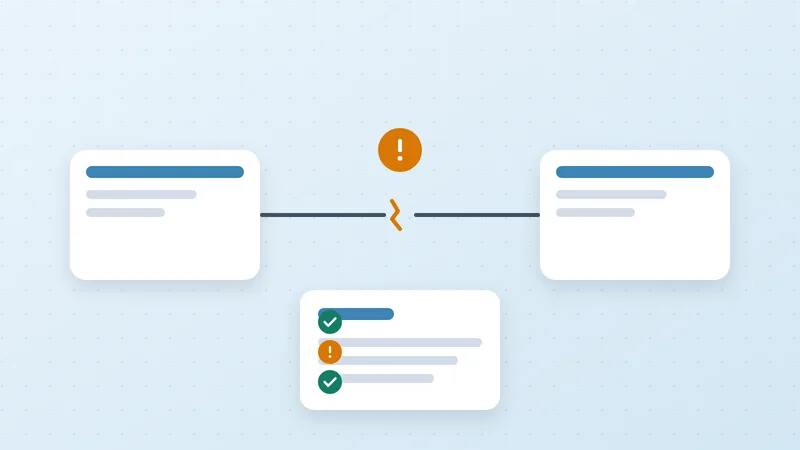
A polished demonstration often shows one customer, one invoice and one successful payment. Ask what happens with a partial payment, a disputed line, an amended proposal, an expired connection and a customer paying several invoices together. Ask who investigates an error after launch and which record is authoritative when systems disagree.
Use the integration acceptance tests to make those questions concrete. If the answer is that a staff member will manually fix each exception, include that time in the price comparison. Manual work can be appropriate; hidden manual work makes the economics unreliable.
Compare total effort before deciding
For an illustrative firm spending 12 hours monthly on preventable administration, saving half creates six hours of capacity. At an assumed internal cost of $50 per hour, that is $300 of capacity value before recurring fees and implementation costs. It is not automatically $300 of cash savings, and it cannot alone justify a much larger fee.
The case becomes stronger only when additional benefits are evidenced, such as reducing repeat invoice rejection or preventing eligible work from being omitted. Use the automation business case to separate those effects. A credible proposal-to-cash engagement should be able to explain both where it adds value and where your current setup is sufficient.
Sources
- Intuit. Send invoice reminders automatically or manually in QuickBooks Online (opens in a new tab). Updated 5 August 2026 on retrieved page. Product documentation.↩
- Intuit. Set up and send progress invoices (opens in a new tab). Updated 24 August 2026 on retrieved page. Product documentation.↩