Why profitable service firms still wait too long for cash
3 min read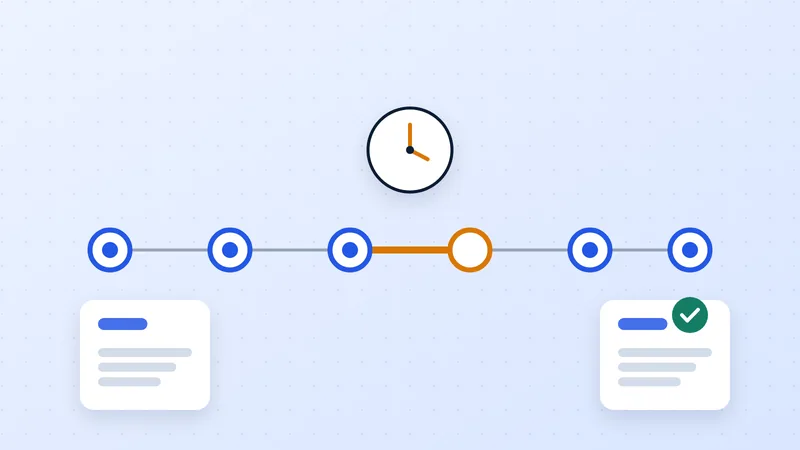
A service firm can finish good work, issue accurate invoices and still spend too much time waiting for cash. The delay may begin before an invoice exists: a missing purchase order, an unapproved timesheet or a milestone that nobody told finance was complete. Looking only at overdue invoices leaves those problems out of view.
The Federal Reserve Banks identify slow-paying customers as a particular challenge reported by professional services firms. That is evidence of a relevant market problem, not proof that every late payment is caused by poor administration.[1] The useful question for an individual business is where its own money stops moving.
Follow a billable event through the whole process
For this purpose, proposal-to-cash means the operational path from an agreed commercial offer through delivery, billing, follow-up, payment and accounting reconciliation. It should preserve a connection between what the customer accepted and what the business ultimately received.
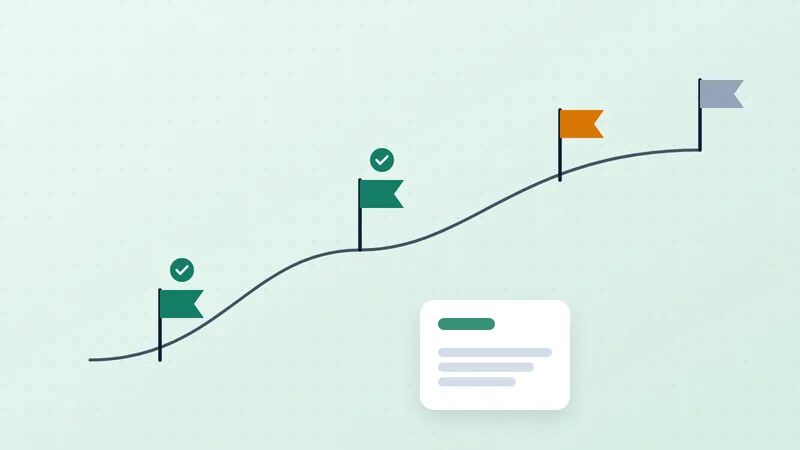
Select a recently paid engagement and reconstruct six dates: commercial approval, the contractual billing trigger, evidence of completion or acceptance, invoice release, invoice receipt by the correct customer team, and payment. Add a reconciliation date if the receipt remained unidentified after arrival. The gaps reveal different work. A slow invoice release calls for a delivery-to-finance handoff; a rejected invoice calls for better billing information; a payment without remittance calls for allocation.
Do not start the clock at proposal acceptance for every project. A six-month engagement may legitimately bill at later milestones. Measure delay against the date the contract permits billing, not against the date you wish the money had arrived.
Put an owner at each handoff
A useful operating rule identifies the event, the required evidence, the next action and one accountable person. For example, an approved weekly timesheet creates a billing task for finance. A missing approval goes to the delivery manager. A customer rejection creates an exception with a reason and review date. An unexplained receipt goes to the person responsible for allocation.
Consider an illustrative software project. A $12,000 milestone becomes billable on Monday, but its approval remains in the project manager's inbox until the following Monday. Removing those seven days can bring the billing process forward without changing the customer's terms. It does not establish that the customer will pay seven days earlier. Measure the downstream result separately.
The billing readiness checklist helps determine whether an invoice can actually enter the customer's approval process. For milestone work, use the milestone billing controls before making invoice creation automatic.
Build a weekly view of stuck work
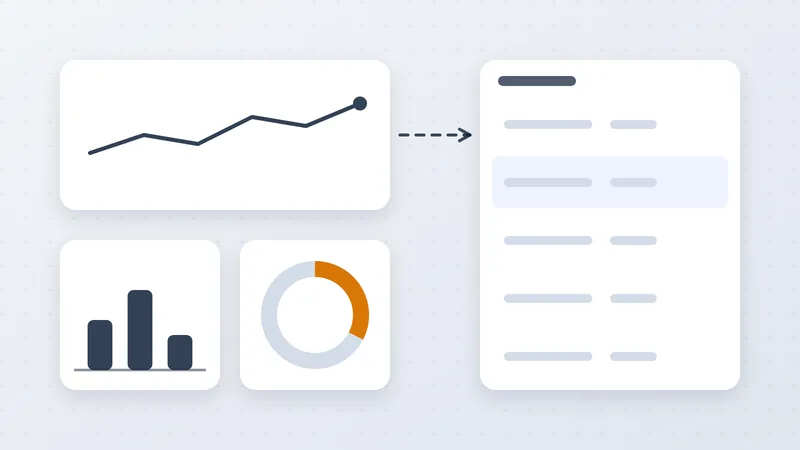
Review billable but uninvoiced work, rejected invoices, open disputes, overdue undisputed balances and unidentified receipts as separate lists. Record amount, age, blocker, owner and next action. A single overdue balance hides too much: it treats a customer disputing scope like a customer whose accounts payable team never received the invoice.
Start with one billing model and a small set of customers. Compare the same measures before and after the change: days from billing eligibility to invoice release, invoices accepted without rework, time spent on administration and unresolved exception age. Keep changes in client mix and payment terms visible so they do not masquerade as improvement.
A useful process gives management an answer to a concrete question: what must happen next to turn this specific piece of work into an accurately recorded payment? The proposal-to-cash dashboard translates that question into operating measures.
Before adding another application, assess when QuickBooks is enough and identify the handoff your existing setup does not reliably complete.
Sources
- Federal Reserve Banks. 2024 Report on Payments Findings from the 2023 Small Business Credit Survey (opens in a new tab). 5 December 2024. Federal Reserve research.↩