An improving average can hide your hardest unpaid invoices
1 min read
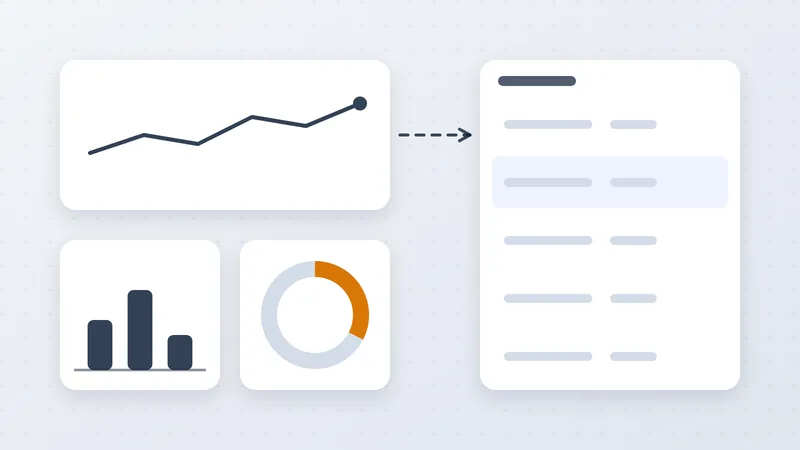
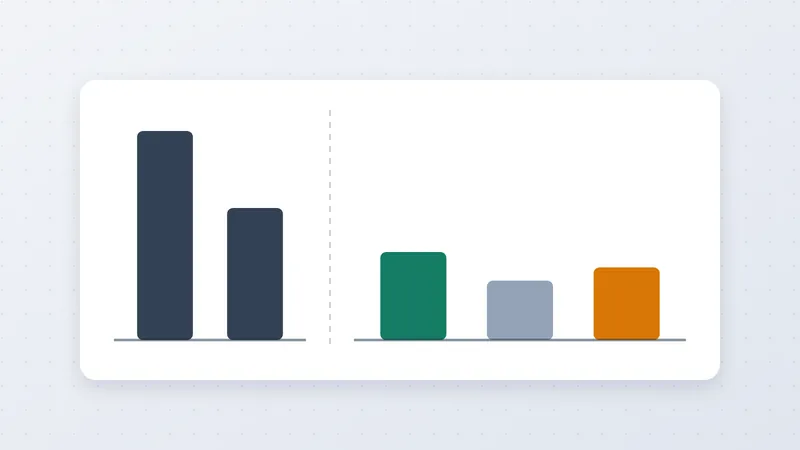
A payment-time average calculated from paid invoices excludes invoices that remain unpaid. The number can improve while a difficult group of old balances continues to grow.
Xero's February 2025 US release reported improved payment times while invoices were still paid late on average.[1] Published averages are useful context, but a business needs its own open-balance view before concluding that performance is healthy.
Suppose eight small invoices pay quickly and two large invoices remain unresolved. A count-based average of completed payments may look excellent, while most of the value remains outstanding. Review the amount as well as the number of invoices, and show which records are excluded from each calculation.
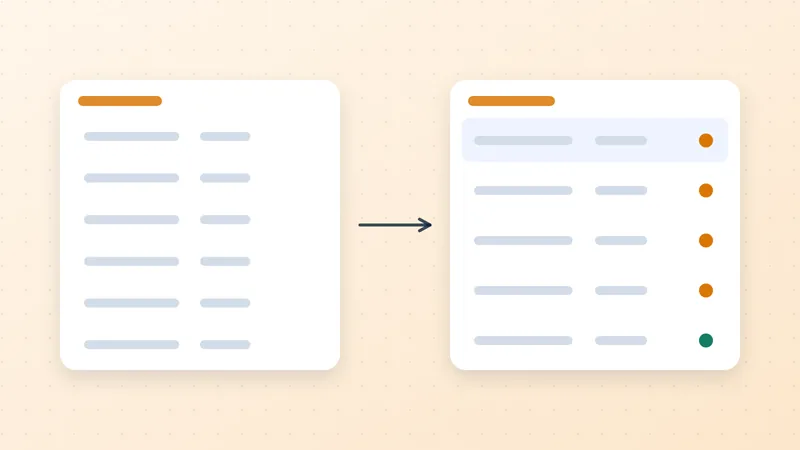
Pair paid-invoice timing with open receivables aging, disputed value and eligible but uninvoiced work. Segment customers with materially different terms. Keep the observation period consistent so a newly issued invoice is not compared unfairly with one that has had a full payment cycle.
The dashboard article explains definitions and the work queue converts unresolved balances into action. Averages should prompt investigation, not replace it.
Sources
- Xero. Xero data shows US small businesses see improved performance (opens in a new tab). 6 February 2025. Vendor data release.↩