A reminder cannot repair a customer cash shortage
1 min read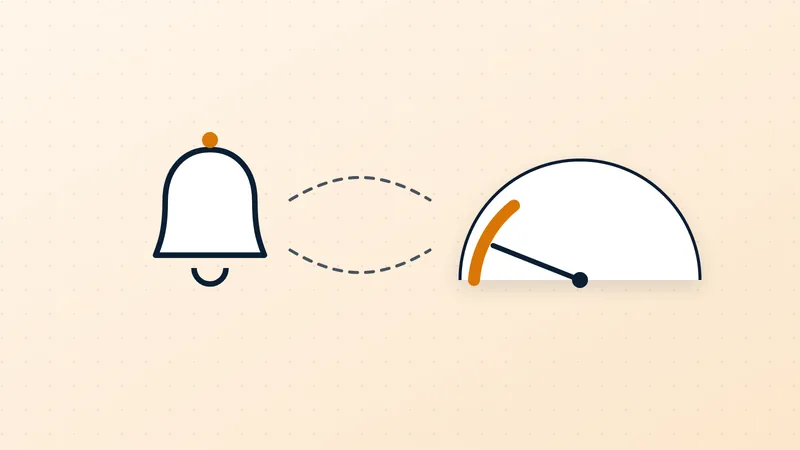
Automation can deliver information and prompt action. It cannot guarantee that a customer has funds available.
Atradius's 2025 US findings identify customer cash flow pressures as a principal reason for overdue B2B sales.[1] The implication is to classify the cause before deciding that more follow-up is the solution.
For an administrative delay, the next step might be providing a purchase order or correcting a recipient. For apparent financial distress, management may need to review future exposure, payment arrangements or contractual options with appropriate advice. These are commercial decisions, not merely messaging settings.
Track changes in the customer's behavior across invoices, but verify the facts before drawing a conclusion. One late payment can reflect an isolated error; repeated unexplained delays deserve a different review. Do not label a customer insolvent based only on an automated score or a missed due date.
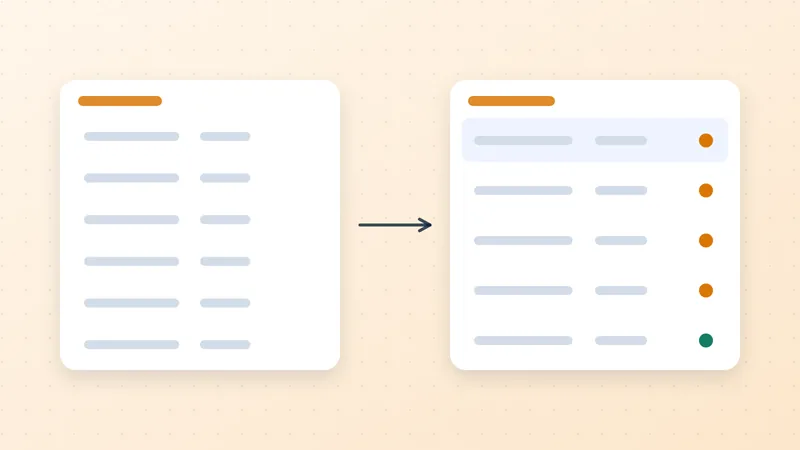
The receivables work queue helps distinguish cases. The business-case article explains why a projected reduction in bad debt should not be added to an automation proposal without evidence of the mechanism.
Sources
- Atradius. B2B payment practices trends in North America 2025 (opens in a new tab). 17 September 2025. Credit insurer survey.↩